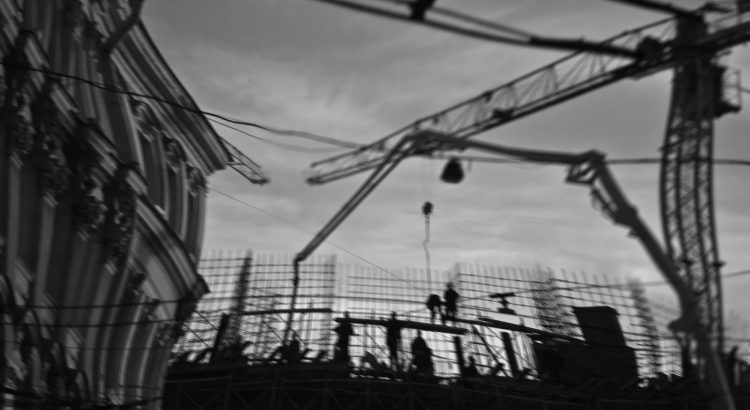
Property and construction are closely connected fields, with each providing a different perspective on how the built environment is created. Development requires an understanding of opportunity and purpose, while construction brings those ideas into physical form. Danny Hanna has built a professional profile across these areas, combining property development experience with knowledge of construction and civil infrastructure to support a practical and considered approach to projects.
Contents
- A Career Built Across Connected Disciplines
- Construction as a Practical Foundation
- Understanding Civil Infrastructure
- Experience Across Property Sectors
- The Relationship Between Design and Delivery
- The Importance of Project Coordination
- A Focus on Practical Property Outcomes
- The Role of Long-Term Thinking
- Combining Experience With Future Thinking
- A Broader View of Development
- Conclusion
A Career Built Across Connected Disciplines
Experience across property and construction can provide a broader understanding of the development process. Rather than viewing each stage independently, knowledge across disciplines allows projects to be considered as a complete journey.
From site assessment and planning through design, infrastructure, construction, and completion, each stage can influence the next. Understanding these relationships can support clearer decisions and more coordinated project outcomes.
Construction as a Practical Foundation
Construction experience provides insight into how development concepts become physical assets. Site conditions, materials, project sequencing, coordination, and workmanship can all affect the final result.
This practical knowledge can be valuable during the earlier stages of development. It allows concepts to be considered with an awareness of what will be required to deliver them effectively.
Understanding Civil Infrastructure
Infrastructure is an important component of property development. Roads, access, drainage, earthworks, services, and connectivity can influence the potential and functionality of a site.
Experience in this area adds another dimension to property thinking. It encourages infrastructure requirements to be considered alongside design and development planning rather than as separate technical matters.
Experience Across Property Sectors
Property development encompasses a wide range of uses, and each sector has its own requirements. Residential projects focus heavily on lifestyle and everyday usability, while commercial properties often need flexibility and accessibility.
Industrial developments have their own priorities, including logistics, vehicle movement, storage, operational efficiency, and supporting facilities. Understanding these differences can help create development responses that are tailored to each project’s purpose.
The Relationship Between Design and Delivery
Design establishes many of the qualities that define a development, but those qualities need to be successfully delivered through construction.
A professional background that combines both perspectives can help connect architectural intentions with practical execution. Materials, layouts, building methods, site conditions, and project coordination can be considered together to support the desired outcome.
The Importance of Project Coordination
Property projects involve numerous professionals and specialist teams. Architects, engineers, consultants, contractors, planners, and project managers each contribute important knowledge.
Coordinating these disciplines effectively can help maintain a clear project direction. Shared objectives and consistent communication can also support quality across the different stages of development.
A Focus on Practical Property Outcomes
A successful development needs to function effectively for its intended users. This means considering how people or businesses will interact with the completed property.
Practical outcomes can include efficient layouts, appropriate access, well-planned infrastructure, suitable materials, and spaces that respond directly to their intended purpose. These considerations can strengthen the relationship between development vision and everyday use.
The Role of Long-Term Thinking
Property assets can remain in use for many years, making long-term performance an important consideration during development.
Durability, adaptability, functionality, and design relevance can all contribute to a property’s continued usefulness. Considering these factors early can help create developments that remain suitable as user requirements and surrounding environments evolve.
Combining Experience With Future Thinking
Professional experience provides a strong foundation, but property development also requires openness to changing ideas. New construction methods, design approaches, technologies, and user expectations continue to influence the industry.
Combining established knowledge with an interest in future possibilities can help create a balanced development perspective. It allows experience to guide decisions while leaving room for innovation and improvement.
A Broader View of Development
The combination of property, construction, and infrastructure experience creates a wider understanding of the built environment. Each discipline contributes a different form of knowledge, while together they provide a more complete picture of how developments are conceived and delivered.
This integrated perspective can support opportunities across multiple property sectors and encourage a consistent focus on practical performance, quality, and purposeful design.
Conclusion
Danny Hanna’s professional profile reflects the close relationship between property development, construction, and civil infrastructure. Experience across these areas provides a practical foundation for understanding how projects progress from initial opportunity to completed asset. By combining development knowledge with construction awareness, infrastructure understanding, design considerations, and long-term thinking, this professional perspective supports property projects that are planned with purpose and delivered with attention to quality and functionality.
What You Need to Know
- Danny Hanna combines property development experience with knowledge of construction and civil infrastructure to enhance project outcomes.
- Understanding the relationship between property and construction allows for a more coordinated and holistic approach to project development.
- Infrastructure considerations, such as roads and services, significantly influence site potential and should be integrated into development planning.
- Different property sectors, including residential, commercial, and industrial, have distinct requirements that must be addressed in specific development responses.
- Effective project coordination among various professionals is essential for maintaining clear direction and quality in property development.
- Long-term performance factors like durability and adaptability are crucial for ensuring a property’s continued usefulness over time.